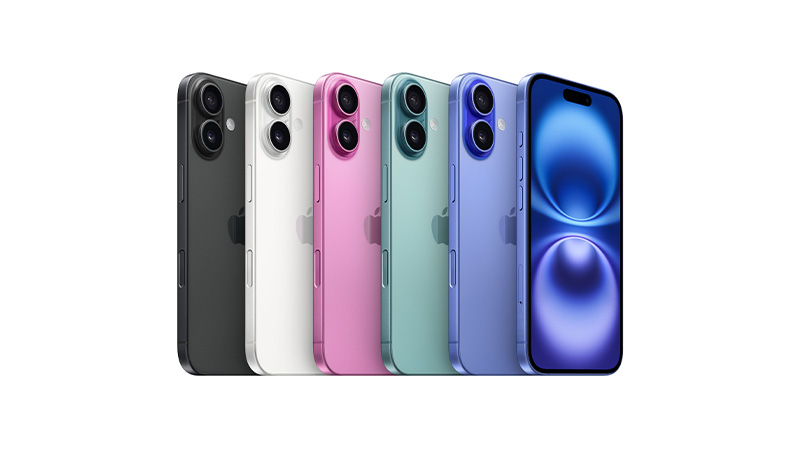
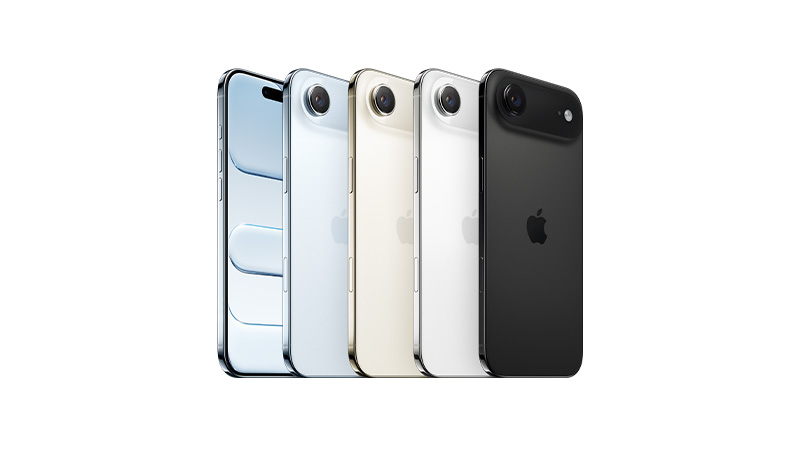
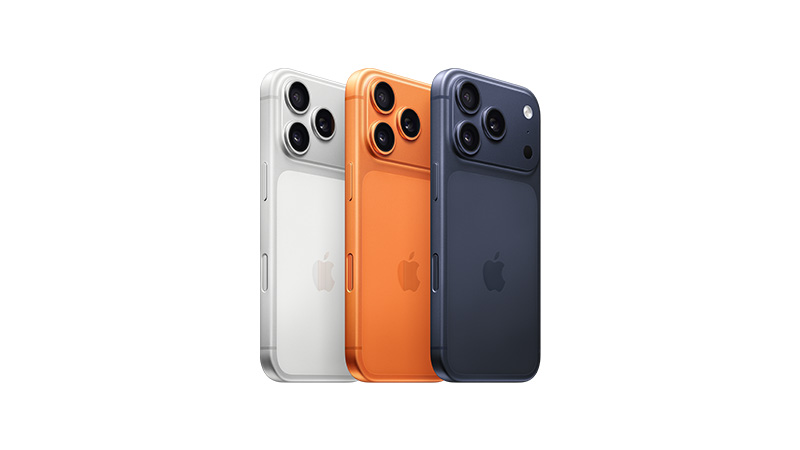
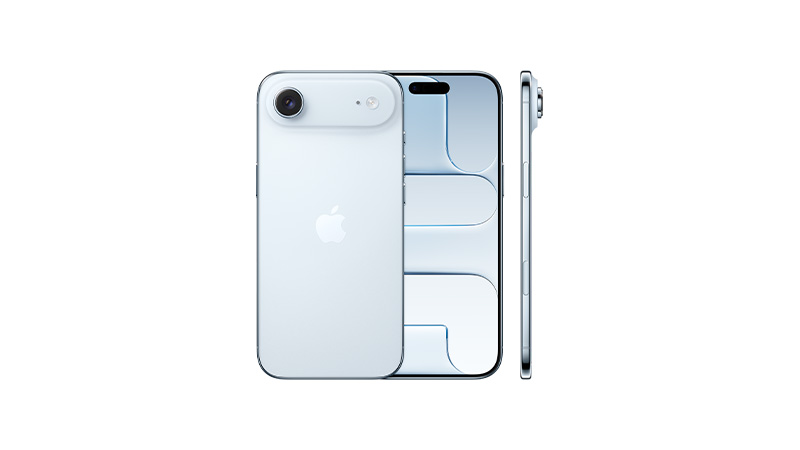
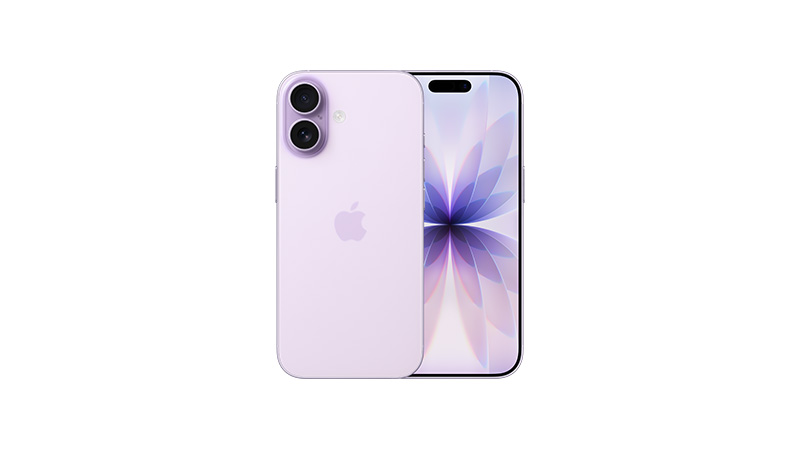
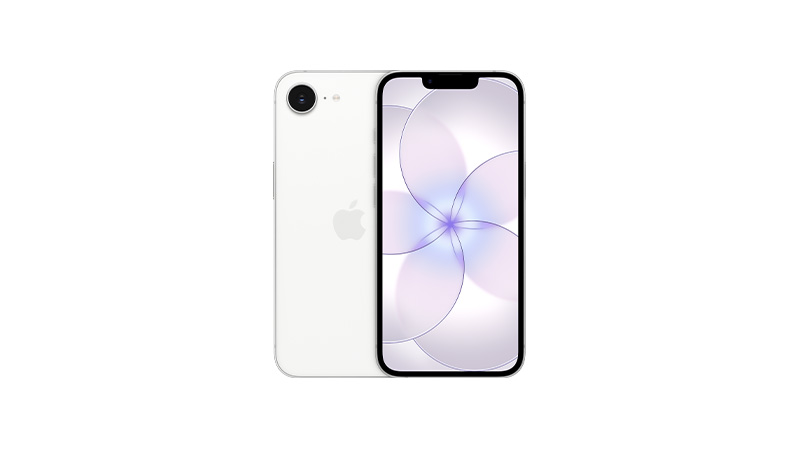
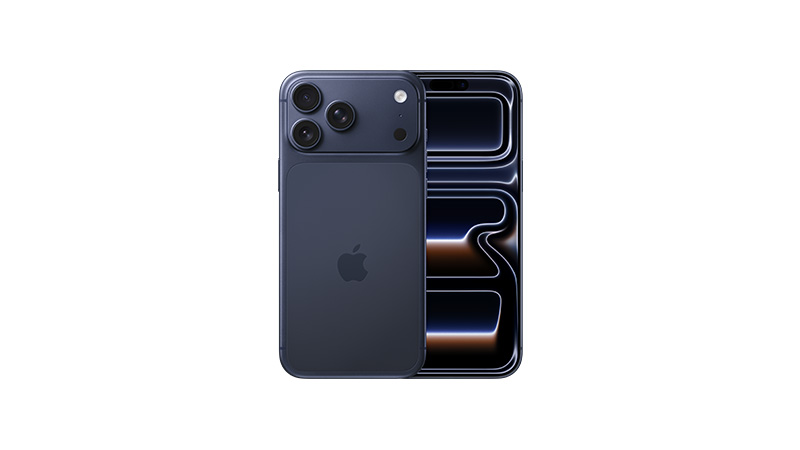
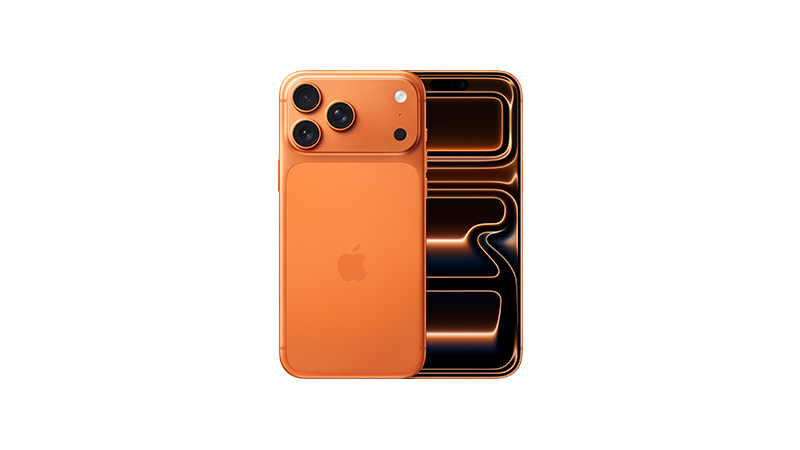
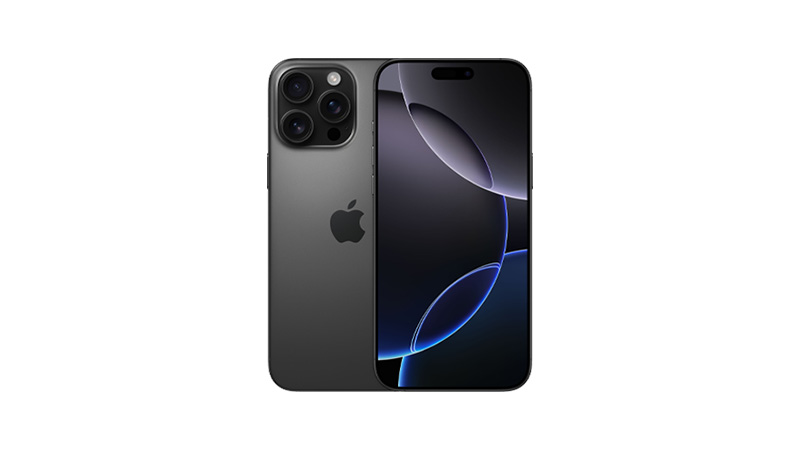
Discover the full range of Apple iPhones for business, including iPhone 16, iPhone Air, iPhone 17, iPhone 17e, and more. Designed for security, performance, and seamless collaboration, iPhones help teams stay productive wherever they work. Choose the right model and enjoy predictable monthly costs and expert support.
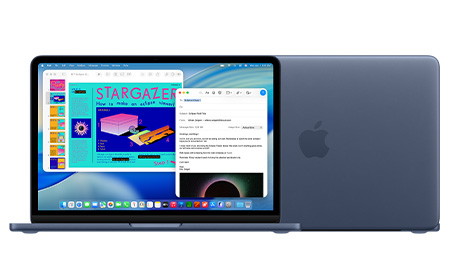
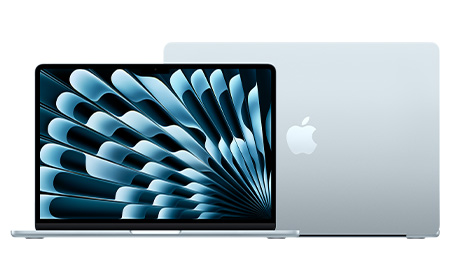
The MacBook Neo delivers lightweight portability with fast A18 performance, making it ideal for hybrid and mobile workforces. Its bright Retina display, all-day battery life, and built-in security give businesses a reliable, high-performance device for everyday creative, analytical, and collaborative tasks – wherever work happens. With 256GB or 512GB storage options, and a bundle of 5 available for teams, it's an affordable way to equip your workforce without comprising on reliability.
Fast M5 performance for everyday creative, analytical, and collaborative workloads
The MacBook Neo offers a lower-cost entry point into Apple’s business hardware lineup. However, its capped RAM options and absence of certain higher-end features, such as additional ports, may make it less suitable for some roles. Read our full guide where we break down exactly which teams it suits and when you’re better off stepping up to the MacBook Air.
Why is the Apple MacBook Neo cheaper than other MacBook models?
The MacBook Neo uses the A18 Pro chip – originally designed for iPhones – rather than a Mac-specific M-series chip and drops features like MagSafe charging and Thunderbolt ports to hit its £699 starting price. It still runs full macOS and supports Apple Intelligence, making it a genuine budget Mac rather than a stripped-down alternative.
Does the Apple MacBook Neo support Apple Intelligence?
Yes, the MacBook Neo is built for Apple Intelligence and ships with it enabled out of the box, despite its lower price point.
Does the Apple MacBook Neo have touch ID?
Touch ID is included with most MacBook Neo configurations, though the entry-level base model omits it. Buyers who want fingerprint sign-in should check the specific configurations before ordering.
What ports are available on the Apple MacBook Neo?
The MacBook Neo features two USB-C ports rather than Thunderbolt. One supports USB 3 speeds of up to 10Gb/s and doubles as the display output, while the other is limited to USB 2 speeds of up to 480Mb/s and is best used to charging or low-speed accessories. It also includes a 3.5mm headphone jack, but lacks a MagSafe charging port.
MacBook Neo vs Air: Performance, Value, and What Businesses Should Know
This guide compares the MacBook Neo and the MacBook Air M5 for business teams — what each one offers, the specs that actually matter at work, and how to match the right machine to the right role.
Quick Summary
These are Apple’s two most affordable laptops but they’re built on different foundations.
The Neo runs an A-series chip — the same A18 Pro found in the iPhone — while the Air runs Apple’s M5 silicon. That single difference shapes everything: memory, connectivity, and how each machine copes with a heavy day’s work.
On leasing, the Neo starts from around £3.72 +VAT per week and the Air from £6.91 — so the Neo is close to half the cost. But cost is only half the decision. The rest comes down to what your people actually do all day.
The Neo is the most affordable Mac Apple has ever made, and for a large slice of any workforce it’s all the laptop they need.
Performance. The A18 Pro pairs a 6-core CPU with a 5-core GPU and a 16-core Neural Engine, with Apple Intelligence built in. It flies through the everyday: email, Microsoft 365 and Google Workspace, web-based CRMs, video calls and general multitasking. It’s a phone-class chip, so it’s not built for sustained heavy lifting — but most business roles never ask it to.
Memory. The Neo has 8GB of unified memory, with no option to add more now or later. That’s comfortable for someone living in a couple of apps and a handful of tabs. However, if you push it with dozens of tabs plus several apps at once, it starts to feel tight. See How Much RAM Should You Order in Your Next Mac? for why this matters over a multi-year lease.
Connectivity. Two USB-C ports (one fast 10Gbps, one basic USB 2.0), Wi-Fi 6E, and support for one external 4K display. There’s no Thunderbolt, so a busy dual-monitor dock is out of the box — though a USB-C dock solves most of that (more below).
Display, battery and build. A bright 13″ Liquid Retina screen (500 nits, a billion colours), up to 16 hours of battery, a silent fanless design, and four colours to choose from. Note two trade-offs: Touch ID is only on the 512GB model, and there’s no backlit keyboard or fast charging.
The Air is the default “everyday professional” Mac — noticeably more capable under the hood, and built to stay comfortable across a longer lease.
Performance. The M5 steps up to a 10-core CPU, up to a 10-core GPU, and more than twice the Neo’s memory bandwidth. That headroom is what keeps things smooth when the workload is sustained — heavy multitasking, larger datasets, creative apps, and anything that runs hard for long stretches without slowing down.
Memory. The Air starts at 16GB and configures up to 32GB. On Apple Silicon, memory is the single biggest factor in how well a machine ages, so this is the spec that most justifies the extra weekly cost for demanding roles — and the main reason not to under-spec someone you’re equipping for three years.
Connectivity.Thunderbolt 4 plus MagSafe charging, and support for multiple external displays. This is the practical difference for desk-based staff: full docking, faster peripherals, and a proper multi-monitor setup from a single connection.
Display, battery and build. A choice of 13.6″ or 15.3″ Liquid Retina — useful when someone wants more screen without moving up to a MacBook Pro — plus up to 18 hours of battery, a backlit keyboard, fast charging, and Touch ID as standard.
Both machines make great desk workstations with the right accessories — and you can easily add these to any lease with HardSoft.
A USB-C or Thunderbolt docking station turns a single laptop port into a full desk, complete with an external display, wired network, and charging.
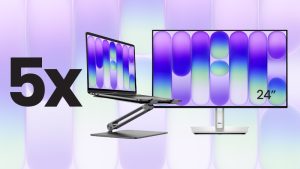
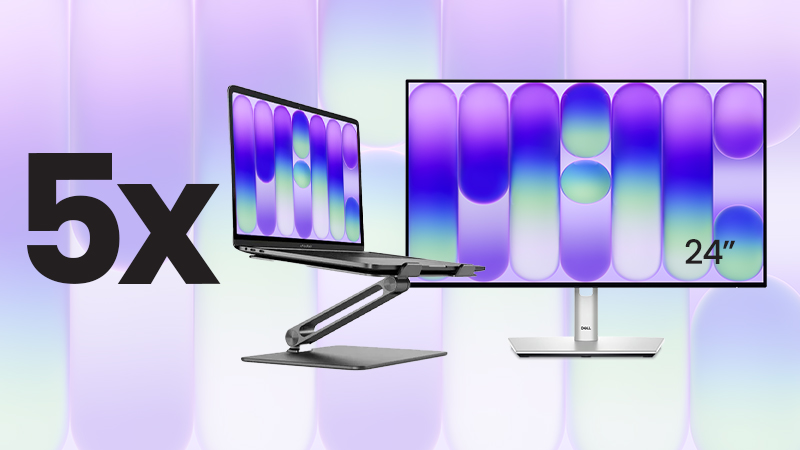
For teams standardising on the Neo, we’ve packaged it up: the MacBook Neo Desktop Bundle pairs five 512GB Neos (with Touch ID) with Dell 24″ USB-C hub monitors and Alogic stands that lift the screen and help airflow on the fanless chassis. That’s five complete workstations for £39 +VAT per week (around £7.80 a desk).
Matching the Machine to the Role
Role
Best Fit
Why
Admin, operations & reception
Neo
Email, 365/Workspace, web CRMs — smooth, silent, cost-effective
Frontline, field & retail
Neo
Point-of-sale, scheduling, a browser — no headroom wasted
New starters & second devices
Neo
Fast, affordable and easy to deploy at scale
Sales, account management & leadership
Air
All-day calls, presentations and endless tabs fill 8GB fast
Marketing
Split
Neo for writers and social; Air for designers and heavier creative
Design, development & power users
Air (min.)
Adobe, IDEs, Docker and simulators need M5 and 16GB+
The Leasing Maths
Bought outright, the Neo (£699) and the Air (£1,299+) are £600 apart per person — a gap that grew after Apple’s June 2026 price rises. Spread across a lease, the gap is about £3.19 a week per device. Leasing makes the price gap small enough to choose each laptop for the job, not the price tag.
For a typical team, the Neo is the smart, cost-effective choice — admin, reception, frontline, retail and single-app roles, and with a dock or the Desktop Bundle it makes an excellent office workstation too.
For the people who multitask heavily, work docked across multiple monitors, or run creative and development tools, the Air’s M5 chip, 16GB+ memory and Thunderbolt aren’t a luxury — they’re what keeps those roles productive across the life of the lease.
So it’s rarely “Neo or Air” for the whole business. The best answer is usually both, matched to how each person works — and because leasing narrows the cost gap to a few pounds a week, that mix is easy to build and easy to adjust as your team changes.
Lease the Neo from under £4 a week, or the Air from under £7. Speak to our team to map the right setup for your business.
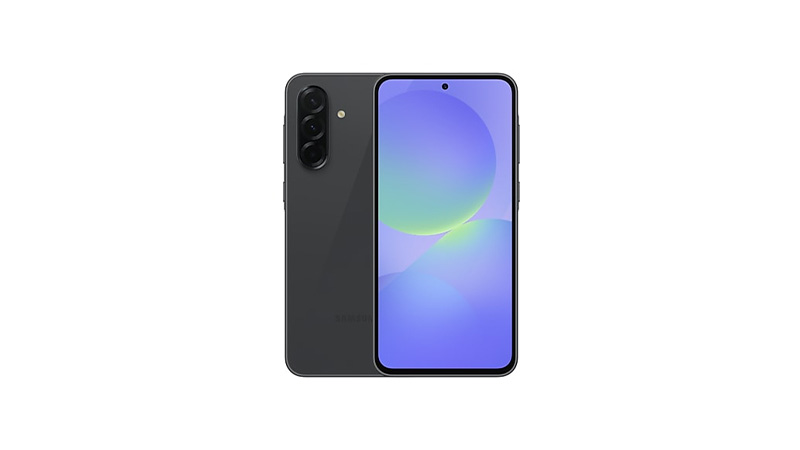
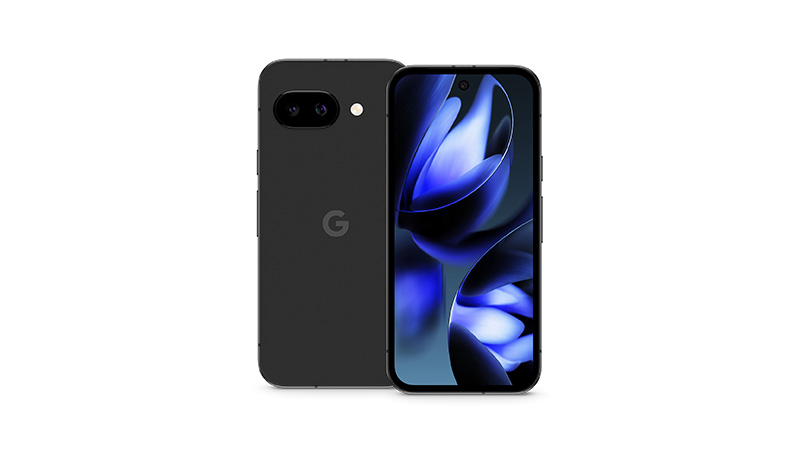
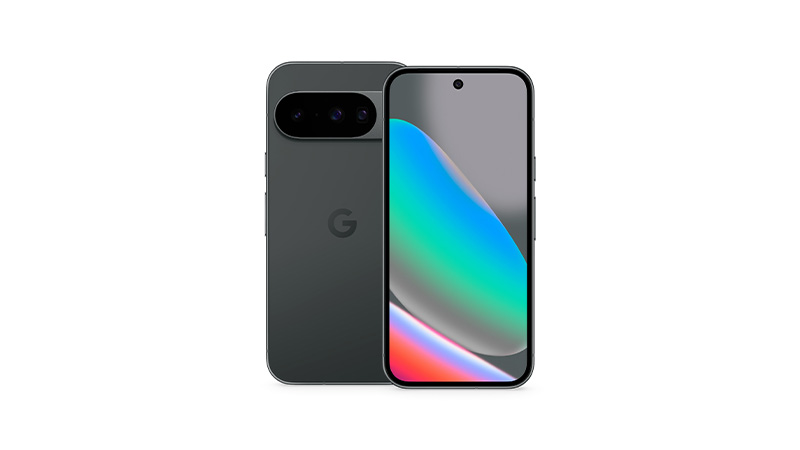
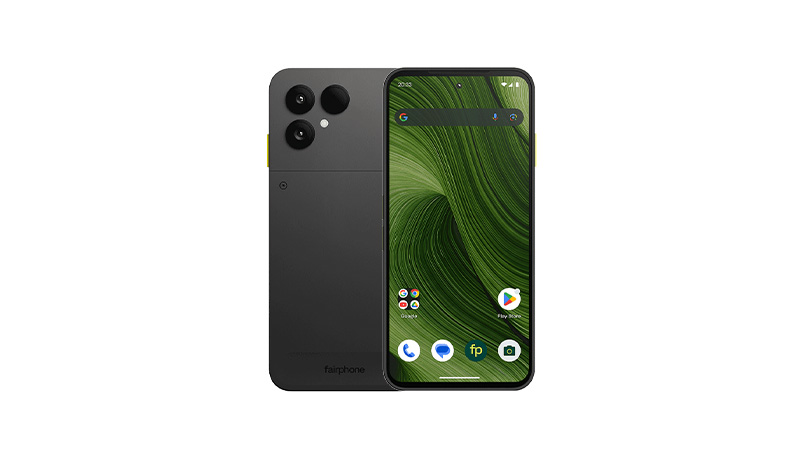
Give your team the phones they actually want to use — from the latest iPhones to Samsung, Google Pixel, and Fairphone devices. One monthly payment, no upfront costs, and complete flexibility to upgrade or scale. Built for security, manageability, and modern work.
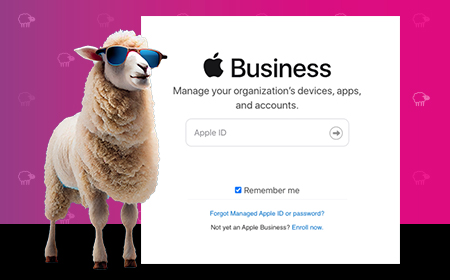
Shepherd MDM is HardSoft’s proprietary Mobile Device Management (MDM) solution, designed specifically for Apple devices and tailored to meet the needs of small to medium-sized businesses.
What Is Shepherd MDM?
Shepherd is a cloud-based MDM system that allows businesses to:
Shepherd MDM is a robust, affordable, and user-friendly solution for businesses managing Apple devices. Its seamless integration with Apple Business Manager and rich feature set make it an ideal choice for SMEs looking to enhance security, streamline operations, and future-proof their IT infrastructure.
For more detailed guidance, explore the full blog series linked throughout this guide.